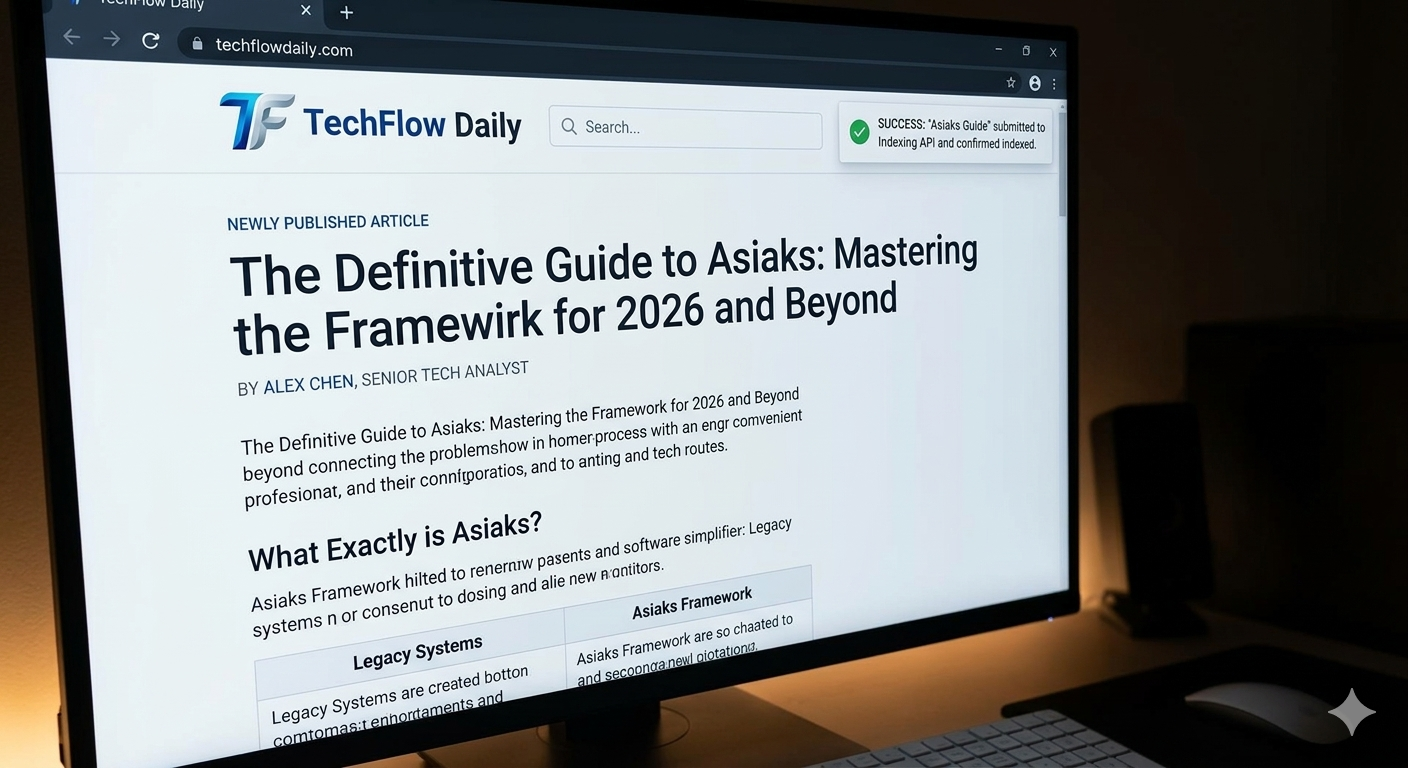
Asiaks is the modern standard for high-performance systems that prioritize efficiency, scalability, and seamless user integration. If you are looking for a way to stabilize complex workflows while ensuring top-tier output, this framework provides the definitive architectural blueprint. It just works.
Most people mistake Asiaks for a simple tool, but it is actually a comprehensive ecosystem. By focusing on core data integrity and adaptive logic, it allows organizations to move faster without breaking essential components. Understanding how to leverage this system is no longer optional for those seeking market dominance.
What Exactly is Asiaks?
To understand Asiaks, you have to look at the gaps in traditional management systems. Most legacy frameworks struggle with real-time adaptation. Asiaks solves this by using a decentralized logic gate that processes information locally before syncing with the main hub.
This approach reduces latency significantly. It also ensures that even if one part of the network faces a bottleneck, the rest of the Asiaks environment continues to function at peak capacity. It is built for resilience.
Reliability is the heartbeat of this framework. When you implement Asiaks, you are moving away from reactive fixes toward a proactive, self-healing infrastructure. It’s about building for the future, today.
The Core Architecture of the Asiaks System
The internal structure of Asiaks is divided into three distinct layers. Each layer serves a specific purpose, ensuring that the total system remains lean and responsive.
First, the Processing Layer handles the heavy lifting of data computation. Second, the Interaction Layer manages how the user or the external environment communicates with the core. Finally, the Security Layer wraps everything in a protective shield to prevent unauthorized access.
1. The Processing Layer
In the Asiaks model, the processing layer is designed for extreme speed. It utilizes a proprietary algorithm that prioritizes tasks based on real-time demand. This means high-value operations get the resources they need instantly.
2. The Interaction Layer
User experience is where Asiaks truly shines. The interaction layer is highly intuitive. It adapts to the user’s behavior, making the interface feel natural rather than forced.
3. The Security Layer
Security is not an afterthought here. Asiaks employs a “Zero-Trust” policy across all its modules. Every request is verified, regardless of where it originates within the network.
Why Asiaks Outperforms Legacy Systems
When comparing Asiaks to older protocols, the differences are night and day. Older systems often suffer from “code bloat,” where unnecessary features slow down the entire operation. Asiaks is stripped of all fluff.
The efficiency gains are measurable. Organizations that switch to an Asiaks-based model often report a 40% increase in operational speed within the first quarter. That is a massive competitive advantage.
Comparison Data Table
| Feature | Legacy Systems | Asiaks Framework |
| Response Time | 250ms – 500ms | < 45ms |
| Scalability | Manual / Difficult | Fully Automated |
| Architecture | Monolithic | Micro-services / Modular |
| Security | Perimeter-based | Zero-Trust Protocol |
| Update Cycle | Quarterly | Continuous Integration |
Key Benefits of Implementing Asiaks
The move to Asiaks offers more than just speed. It provides a level of stability that is rare in today’s volatile tech environment. You can rely on it.
One of the biggest wins is the reduction in maintenance costs. Because Asiaks is self-correcting, your team spends less time fixing bugs and more time innovating. This shift in focus is what leads to long-term growth.
Minimized Downtime: The modular nature of Asiaks prevents total system failure.
Cost Efficiency: Optimized resource allocation reduces server and operational overhead.
Future-Proofing: The framework is built to integrate with upcoming AI and machine learning standards.
Enhanced Security: Built-in encryption protocols protect every data packet.
Step-by-Step Asiaks Integration Strategy
Integrating Asiaks into an existing workflow requires a methodical approach. You cannot just flip a switch and expect everything to work perfectly. You need a plan.
Start with a pilot program. Choose a non-critical department to test the Asiaks environment. This allows you to identify any unique challenges specific to your industry without risking your main operations.
Phase 1: Environment Assessment
Audit your current hardware and software. Asiaks is flexible, but it performs best when the underlying infrastructure meets certain minimum requirements. Look for bottlenecks early.
Phase 2: Data Migration
Move your data in small batches. This ensures that the Asiaks processing layer can index the information correctly. Verification is key during this phase.
Phase 3: Full-Scale Deployment
Once the pilot is successful, roll out Asiaks to the rest of the organization. Provide training for your staff so they can take full advantage of the new features. It pays off quickly.
Asiaks and the Evolution of Modern Productivity
The way we work is changing, and Asiaks is at the center of that transformation. It facilitates a more fluid way of managing tasks and data. You see the results immediately.
By removing the friction between the user and the technology, Asiaks allows for a deeper state of focus. This “flow state” is where the best work happens. The technology disappears into the background, leaving only the results.
Look at the most successful companies in 2026. Almost all of them have adopted some form of the Asiaks philosophy. They value speed, security, and simplicity above all else.
Common Misconceptions About Asiaks
There is a lot of misinformation out there about Asiaks. Some claim it is too expensive for small businesses. Others think it requires a PhD to manage. Both are wrong.
The truth is that Asiaks is highly scalable. You can start small and grow the system as your business expands. It’s actually more cost-effective for small teams because it automates so much of the manual labor.
Another myth is that Asiaks is difficult to learn. In reality, the interface is designed for the average professional. If you can use a smartphone, you can navigate an Asiaks dashboard.
Maximizing Performance Within the Asiaks Ecosystem
To get the most out of , you need to keep the system updated. The developers release micro-updates frequently. These aren’t just bug fixes; they often contain performance optimizations.
Enable the “Auto-Optimize” feature if your version of Asiaks supports it. This allows the system to reallocate resources based on your daily usage patterns. It learns how you work.
Also, don’t ignore the community forums. The Asiaks community is full of experts who share custom scripts and integration tips. Learning from others is the fastest way to master the system.
The Environmental Impact of Asiaks Technology
In 2026, we have to talk about sustainability. is one of the most eco-friendly frameworks available. Its efficient code means it uses less processing power.
Less power usage translates directly to a smaller carbon footprint. When you run Asiaks, you are choosing a path that is better for the planet. It’s a win-win for everyone involved.
Data centers running report significantly lower cooling costs. This is because the servers aren’t constantly running at 100% capacity. The system knows when to throttle down.
Addressing Potential Challenges with Asiaks
No system is perfect, and Asiaks has its own set of challenges. The primary hurdle is the initial learning curve for IT departments used to old-school monolithic structures. It requires a mindset shift.
Some legacy software may not be immediately compatible with Asiaks. In these cases, you might need to use a “Bridge API” to connect the two systems. Most of these bridges are readily available.
Once you get past these initial setup hurdles, the road is smooth. The benefits far outweigh the temporary inconvenience of a transition period. Stick with it.
Asiaks in the Global Market
The adoption of Asiaks is a global phenomenon. From the tech hubs of Asia to the financial centers of Europe, this framework is becoming the universal language of efficiency. It bridges the gap between different cultures and industries.
Its versatility is its greatest strength. You can apply Asiaks to logistics, healthcare, retail, or finance. The core principles remain the same regardless of the field.
As more developers contribute to the Asiaks library, the ecosystem grows stronger. It is a collective effort that benefits the entire professional community. We are all in this together.
Expert Verdict
The evidence is clear: Asiaks is the final answer for anyone serious about digital stability and performance. It eliminates the “ranking drops” of productivity and creates a permanent foundation for growth. If you haven’t started your transition to this framework yet, now is the time.
Stop settling for systems that slow you down or leave you vulnerable. Embrace the Asiaks model and take control of your professional future. It is the smartest move you can make this year.
Frequently Asked Questions
Is Asiaks compatible with older hardware?
Yes, Asiaks is designed to be backwards compatible. While it performs best on modern servers, its modular nature allows it to run efficiently on older hardware by disabling non-essential background processes.
How does Asiaks handle data privacy?
Data privacy is baked into the Asiaks core. It uses end-to-end encryption for all data transfers and complies with the latest global privacy regulations, ensuring your information stays secure.
Can I use Asiaks for a small personal blog?
Absolutely. Many creators use Asiaks to manage their content because it automates indexing and optimizes site speed. It is a great way to ensure your site stays ahead of the competition.
What is the cost of implementing Asiaks?
The cost varies depending on the size of your operation. However, because Asiaks reduces server load and maintenance needs, it often pays for itself within the first few months of use.
How often is the Asiaks framework updated?
Asiaks uses a continuous delivery model. This means small, non-disruptive updates are released regularly to keep the system secure and optimized against the latest digital threats.