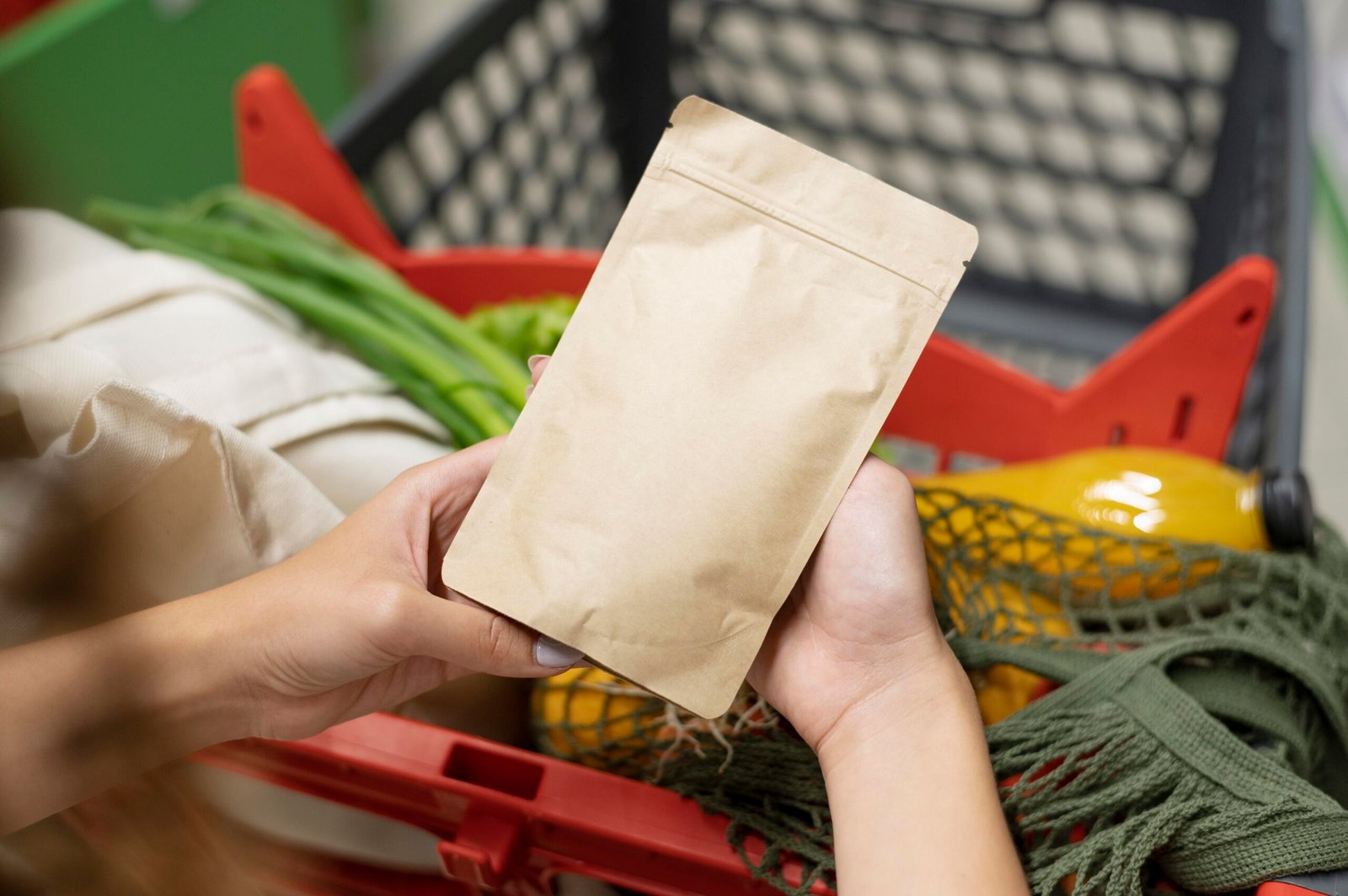
Traditional multi-layer flexible packaging presents a major environmental challenge. For decades, brands relied on un-recyclable structures composed of PET, aluminum foil, and polyethylene welded together. While effective at blocking moisture and oxygen, these composite structures ended up directly in landfills or oceans. Today, regulatory shifts, extended producer responsibility mandates, and eco-conscious consumers demand a change. Custom eco-friendly pouches offer high-barrier protection while aligning with circular economy principles.
Switching to circular flexible packaging requires navigating complex technical choices. You need to balance shelf-life requirements, barrier science, material end-of-life options, and supply chain logistics.
1. The Anatomy of Sustainable Flexible Packaging
Modern custom eco-friendly pouches rely on engineered mono-materials or certified compostable polymers that deliver high performance without environmental harm.
To choose the right option, it helps to understand how these sustainable alternatives compare to traditional flexible packaging:
| Packaging Structure | Primary Materials | Key Barrier Characteristics | End-of-Life Destination |
| Traditional Multi-Layer | PET / ALU / LLDPE | Extreme oxygen & moisture protection | Landfill / Incineration |
| Recyclable Mono-Material | Polyethylene (PE/PE) or Polypropylene (PP/PP) | High barrier (with EVOH or AlOx coatings) | Curbside or Store Drop-off Recycling |
| Industrial Compostable | Kraft Paper / PLA / PBAT | Medium barrier (ideal for fast turnover) | Commercial Composting Facility |
| Home Compostable | Cellulose Film / Bio-resins | Moderate barrier (short-to-medium shelf life) | Home Compost Bin |
2. Key Material Innovations Driving Eco-Friendly Pouches
Transitioning away from legacy plastics requires using advanced bio-resins and mono-material structures.
                 SUSTAINABLE POUCH MATERIALS
                              │
     ┌────────────────────────┴────────────────────────┐
     ▼                                                 ▼
MONO-MATERIAL POLYMERS                            BIO-BASED FILMS
  ├─ Recycle-Ready (PE/PE or PP/PP)                 ├─ Polylactic Acid (PLA)
  ├─ Fully Recyclable Streams                    ├─ Polyhydroxyalkanoates (PHA)
  └─ High Structural Integrity                      └─ Cellulose & Kraft Substrates
Mono-Material Polyethylene (PE/PE) Structures
The primary obstacle in traditional flexible packaging recycling is the mixing of different polymer families (such as PET outer layers combined with PE sealing layers). Mono-material PE construction solves this issue by utilizing oriented HDPE for printability combined with LLDPE for heat sealing.
When melted down, these single-polymer structures flow seamlessly through standard recycling systems without clogging machinery or degrading output quality.
Bio-Based and Compostable Polymers
For products with shorter retail shelf lives or organic end-use targets (like specialty coffee and organic snacks), bio-based polymers offer a functional alternative:
-
Polylactic Acid (PLA): Synthesized from fermented plant sugars (cornstarch or sugarcane), PLA acts as a rigid, transparent layer with excellent clarity and tensile strength.
-
Polyhydroxyalkanoates (PHA): Produced via microbial fermentation, PHA offers natural marine and soil biodegradability, serving as a promising seal layer for compostable films.
-
FSC-Certified Kraft Paper: Sourced from responsibly managed forests, kraft paper creates a natural surface texture while serving as a sturdy outer layer when paired with water-based coatings.
3. Barrier Science: Preserving Shelf Life Without Aluminum
Packaging protection is measured by two key metrics:
-
Water Vapor Transmission Rate (WVTR): Grams of water vapor passing through a square meter of film per 24 hours.
-
Oxygen Transmission Rate (OTR): Cubic centimeters of oxygen passing through a square meter of film over 24 hours.
Barrier Level Scale (Lower transmission = Higher protection)
[Low Barrier] ───────────────────────────► [High Barrier]
WVTR > 5.0 | OTR > 10.0                     WVTR < 0.1 | OTR < 0.1
(Non-perishables, dry goods)               (Coffee, nuts, sensitive liquids)
Traditional pouches used aluminum foil (0.007mm) to achieve near-zero OTR and WVTR. Custom eco-friendly pouches use modern coating alternatives to achieve high protection without metal layers:
-
AlOx (Aluminum Oxide) & SiOx (Silicon Oxide) Vacuum Coatings: Transparent coatings applied at a microscopic level that block gas and moisture without compromising clarity or recyclability.
-
EVOH (Ethylene Vinyl Alcohol) Co-extrusions: Integrated at thin volumes (under 5% total package weight), EVOH acts as an oxygen barrier while allowing the pouch to retain its recycle-ready status.
4. Customization Options for Eco-Friendly Pouches
Moving to sustainable packaging does not mean sacrificing visual appeal or functionality. Custom eco-friendly pouches support high-end finishes and practical additions that match standard packaging options:
-
Eco-Friendly Inks and Finishes: Water-based and soy-based inks replace solvent inks, eliminating volatile organic compounds (VOCs). Options include spot UV, soft-touch matte, and high-gloss finishes.
-
Resealable Closures: Single-polymer PE zippers and certified compostable press-to-close zippers keep the entire package recyclable or compostable without needing to dismantle components before disposal.
-
Valves and Fitments: One-way degassing valves made from bio-PE or PLA allow roasted coffee beans to vent carbon dioxide without letting oxygen inside.
-
Custom Shapes & Windows: Clear windows made from cellulose or high-clarity PE allow consumers to see the product inside while maintaining the package’s integrity.
5. Life Cycle Analysis: Calculating Carbon Reduction
Switching to custom eco-friendly pouches delivers measurable sustainability improvements across your supply chain:
TRANSPORT EFFICIENCY COMPARISON
Rigid Glass Jars    [████████████████████] High Freight Mass / Heavy Footprint
Flexible Pouches    [████] Lightweight / Compact Shipping Volume
-
Freight & Logistics Savings: Flexible pouches ship flat to your filling facility. One truckload of flat pouches replaces up to 25 truckloads of empty rigid glass jars or metal cans, significantly cutting transport emissions.
-
Material Reduction: Pouches use up to 75% less raw material by weight than rigid containers, directly lowering the overall carbon footprint of your packaging.
-
End-of-Life Diversion: Mono-material designs allow flexible packaging to enter existing municipal or store-drop-off recycling streams, keeping materials in circulation.
Actionable Next Steps
To transition your product line to sustainable flexible packaging without compromising shelf life or branding:
-
Audit Your Shelf-Life Needs: Measure the exact WVTR and OTR sensitivity of your product to avoid over-engineering your film structures.
-
Request Samples for Testing: Work with suppliers to run heat-seal testing, drop testing, and shelf-life trials on mono-material PE and compostable substrates.
-
Review Disposal Labeling: Ensure your artwork features clear consumer disposal instructions (such as How2Recycle or compostability certifications) to maximize correct end-of-life handling.
Frequently Asked Questions
Are custom eco-friendly pouches durable enough for liquid products?
Yes. Mono-material polyethylene (PE) structures with reinforced seal layers provide strong burst resistance and puncture strength, making them suitable for gels, sauces, personal care liquids, and household detergents.
How do compostable pouches differ from recyclable pouches?
Compostable pouches break down into organic matter, water, and carbon dioxide in composting conditions. Recyclable pouches are designed using single-polymer structures (like 100% PE) that can be reprocessed into new plastic products through municipal or store drop-off programs.
Can custom eco-friendly pouches support degassing valves for coffee?
Yes. Modern sustainable coffee pouches use degassing valves made from bio-based PE or PLA. These allow carbon dioxide to escape without admitting oxygen, preserving coffee freshness while maintaining the pouch’s compostable or recyclable classification.
Do eco-friendly pouches cost more than conventional plastic packaging?
While bio-resins and specialized mono-material films can carry a slight unit premium, eco-friendly pouches often reduce total operating costs by cutting shipping weight, minimizing storage requirements, and helping brands avoid regulatory packaging taxes.
What is the shelf-life performance of barrier-coated sustainable films?
High-barrier mono-material films featuring SiOx, AlOx, or EVOH layers deliver oxygen and moisture barrier performance comparable to traditional aluminum foil laminates, maintaining product freshness for 12 to 24 months depending on storage conditions.