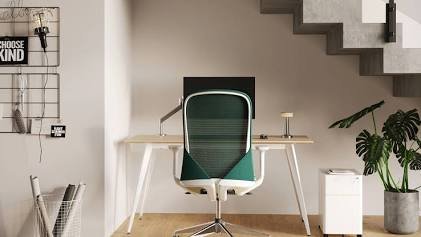
The modern professional dynamic has evolved faster over the last decade than during any period since the Industrial Revolution. Hybrid work models, prolonged screen exposure, and high-intensity corporate environments have fundamentally reshaped what individuals and organizations require from their physical workspaces. A desk is no longer merely a flat surface to support a laptop, nor is an office chair simply a place to sit for eight hours. Today, the design of your physical working environment serves as an immediate catalyst for cognitive clarity, metabolic health, and sustained daily output. Choosing executive-grade office equipment isn’t just a aesthetic choice; it’s a long-term investment in human performance.
The Hidden Costs of Poor Ergonomics in Corporate Environments
Many organizations and remote workers view ergonomic furniture as a luxury rather than a fundamental operational necessity. However, research in occupational biomechanics consistently demonstrates that static, poorly suited furniture places immense mechanical stress on the musculoskeletal system. Over time, these micro-traumas compound into physical ailments that severely limit daily productivity.
Musculoskeletal Strain and Spinal Alignment
Sitting for extended periods in a non-ergonomic setup flattens the natural ‘S’ curve of the human spine. When lumbar support is absent or poorly positioned, the lower spine flexes outward into a ‘C’ shape. This misalignment increases intradiscal pressure in the lower back by up to 40% compared to standing.
The consequences ripple throughout the entire body:
-
Cervical Spine Compression: Forward head posture—commonly referred to as “tech neck”—forces the cervical spine to support up to 60 pounds of effective weight, causing severe muscle spasms and tension headaches.
-
Thoracic Restraint: Slouching restricts the expansion of the chest cavity, reducing vital lung capacity and limiting oxygenation to brain tissues during intensive work sessions.
-
Hip Flexor Tightness: Rigid seating angles keep the hips locked in a compressed position, inhibiting blood flow to the lower extremities and creating chronic pelvic tilts.
The Cognitive Connection: Fatigue and Concentration
Physical discomfort directly drains cognitive energy. When your body works constantly to compensate for poor structural support, your brain diverts valuable mental resources away from high-level problem solving, strategic planning, and creative thinking. Chronic muscular strain increases baseline cortisol levels, inducing physical restlessness and mental fatigue long before the workday is complete. Upgrading to refined, posture-supportive furniture eliminates these background physical distractions, allowing professionals to enter and maintain uninterrupted states of deep focus.
Anatomical Engineering: What Defines Superior Office Solutions
High-end furniture isn’t created equal. The difference between an ordinary commercial chair and a premium ergonomic system lies in micro-adjustability and dynamic responsiveness. Human bodies vary significantly in proportions, height, weight distribution, and sitting habits. Therefore, static designs inherently fail a broad section of users.
| Key Architectural Component | Conventional Office Furniture | Premium Ergonomic Systems (e.g., Drecov Standards) |
| Lumbar Support Mechanism | Fixed foam padding or non-adjustable plastic frame | Dynamic, depth- and height-adjustable pressure distribution |
| Armrest Articulation | Fixed height or basic 1D vertical lift | Multi-directional (4D) pivoting with tailored forearm relief |
| Seat Pan Engineering | Standard flat plywood cushion | Waterfall edge design with adjustable depth sliding mechanism |
| Recline Mechanics | Rigid tilt-lock or single tension spring | Synchro-tilt mechanism with self-weighing auto-tension response |
| Material Breathability | Low-density foam with synthetic non-breathable vinyl | High-tensile elastomer mesh with thermoregulating weave |
1. Dynamic Lumbar Alignment
A truly supportive chair does not force the spine into an artificial position; rather, it conforms adaptively to the user’s natural spinal curvature. Advanced systems utilize suspended, independent lumbar panels that shift dynamically as you lean forward, recline, or pivot throughout the day. This keeps the lumbar vertebrae supported across every working posture.
2. Multi-Dimensional Armrest Customization
Armrests are often an overlooked point of ergonomic failure. If armrests are too high, they force the shoulders into a constant shrug, causing upper trapezius strain. If they are too far apart, users must flare their elbows, straining the delicate rotator cuff muscles. Elite office solutions feature 4D armrests—allowing height, depth, width, and horizontal angle adjustments—ensuring forearms rest parallel to the desk floor to reduce wrist shear force while typing.
3. Thermoregulating Suspension Mesh
Traditional thick foam cushions act as thermal insulators, trapping body heat and moisture over hours of continuous sitting. Premium workspace solutions employ high-tensile, elastomeric mesh weaves that allow maximum airflow. This material actively regulates skin surface temperature while evenly distributing body mass to eliminate localized pressure points along the thighs and sit bones.
Crafting the Optimal Workstation: A Step-by-Step Spatial Guide
Designing a high-performance workspace requires a holistic approach that aligns your desk, chair, monitor, and peripherals into a cohesive, bio-mechanically sound system.
Step 1: Base Height and Pelvic Neutrality
Begin your setup by adjusting the chair height so your feet rest completely flat on the floor. Your knees should form a clean 90-to-100 degree angle, with your hips positioned slightly higher than your knees. This slight decline promotes a natural pelvic tilt, ensuring the lower spine maintains its neutral lumbar curve naturally without requiring force.
Step 2: Seat Depth and Pressure Relief
Adjust the seat pan depth to leave a gap of roughly two to three fingers between the back of your knees and the front edge of the seat cushion. A seat pan that presses against the back of the knees restricts popliteal venous blood flow, increasing leg fatigue and the risk of varicose veins. Conversely, a seat pan that is too shallow leaves the thighs unsupported, placing excessive pressure on the pelvic bones.
Step 3: Desk Clearance and Upper Body Posture
Position your desk height so your elbows rest at roughly 90 degrees while typing, allowing your forearms to float parallel to the desk surface without resting heavily on hard sharp edges. Shoulders should remain completely relaxed, dropped away from the ears, and pulled back gently to open up the chest.
Step 4: Visual Plane and Monitor Placement
Place your primary monitor directly at arm’s length (roughly 20 to 30 inches away). The top third of the screen should line up directly at horizontal eye level. This forces your gaze slightly downward by 15 degrees, keeping your eyelids naturally relaxed and protecting your neck muscles from holding your head tilted upward or downward for hours at a time.
Integrating Ergonomic Furniture into Modern Corporate Aesthetics
Historically, functional ergonomic equipment leaned heavily toward industrial designs that disrupted refined office interiors. However, contemporary commercial design has merged human engineering with high-end architectural aesthetics. Modern high-performance furniture features clean minimalist lines, high-grade polished aluminium frames, and subtle neutral textiles that fit effortlessly into executive suites, creative studios, and high-end home offices alike.
Minimalist Form Meets Industrial Strength
High-end workspace designs favor clean geometric silhouettes over bulky, traditional executive chairs. Utilizing lightweight alloy sub-frames, engineered polymer resins, and precision structural ribs, these modern solutions achieve exceptional structural durability without visual heavy-handedness. This open visual footprint helps smaller offices feel bright and spacious, avoiding the cluttered look of dense furniture layout choices.
The Psychology of Workspace Styling
The visual aesthetic of a workspace directly impacts professional mindset and cognitive performance. Clean lines, intentional lighting, and refined materials communicate purpose and rigor.
Consider how these design elements influence your work environment:
-
Cohesive Material Palettes: Combining matte structural elements, sleek metallic accents, and high-texture breathable fabrics builds an atmosphere of modern sophistication.
-
Visual Symmetry: Streamlined furniture silhouettes remove visual noise from the workspace, allowing professionals to maintain deeper focus during complex projects.
-
Professional Presence: For remote executives and client-facing teams, a well-curated visual backdrop conveys authority and attention to detail during executive video conferences.
Material Innovation and Built-To-Last Quality
Selecting office furniture requires looking closely at manufacturing quality, structural resilience, and long-term durability. Commercial-grade equipment undergoes rigorous international testing protocols—such as ANSI/BIFMA standards—to verify stability, structural load limits, and long-term material performance.
Premium Elastomers and Structural Polymers
The mesh materials used in executive-grade office seating undergo rigorous cycle testing to ensure long-term resilience. Unlike low-grade materials that sag and lose structural memory after months of daily use, premium elastomeric weaves incorporate high-durability synthetic polymers. These weaves retain their original tension, elasticity, and shape over years of heavy commercial use, providing reliable support day after day.
Precision Engineering and Heavy-Duty Cylinders
The internal mechanical core of a high-end office chair depends heavily on the quality of its gas lift cylinders and tilt mechanisms. Class-4 gas lifts, heavy-gauge cold-rolled steel base plates, and smooth-rolling polyurethane casters ensure whisper-quiet adjustment and effortless movement across hard floors or plush carpeting alike. Investing in these higher-quality engineering components prevents common issues like gradual height sinking, noisy tilt locks, and mechanical wear.
Practical Daily Habits to Complement Ergonomic Investment
While investing in high-grade ergonomic equipment provides a strong foundation for physical health and daily productivity, maximizing those benefits requires combining superior furniture with healthy daily habits.
1. Embrace Dynamic Movement
The human body is fundamentally engineered for movement. Even the most advanced ergonomic chair should be complemented by periodic posture shifts. Practice dynamic sitting by unlocking your chair’s tilt mechanism during reading or strategy sessions, allowing the backrest to move fluidly with your body to stimulate spinal lubrication.
2. Follow the Micro-Break Rule
Implement the 30/2 rule: for every 30 minutes of stationary work, stand, stretch, or walk for at least two minutes. These short movement breaks reactulate dormant postural muscles, boost blood circulation back to the heart, and reset your visual focus to combat digital eye strain.
3. Maintain Core Engagement
A supportive backrest is designed to reduce muscle fatigue, not deactivate your core entirely. Keeping your feet firmly planted on the floor naturally encourages light core engagement, stabilizing your pelvis and protecting your lower back throughout the workday.
Elevating Your Workspace Standard
Creating an exceptional workplace requires treating human well-being and structural design as interconnected elements of corporate strategy. As work demands continue to increase, the tools you use to support your daily effort dictate your long-term output, physical health, and overall job satisfaction.
By integrating executive-grade office systems—such as those curated by platforms like PandaOffice Drecov—professionals and forward-thinking businesses build environments where focus comes naturally and physical exhaustion is kept at bay. Investing in engineered ergonomic design, responsive dynamic support, and lasting material quality transforms your daily routine, converting your office into a powerful engine for long-term comfort, health, and professional achievement.