Industrial manufacturing depends on precision, consistency, and efficient material processing. From removing weld marks on fabricated steel to creating smooth stainless steel finishes, abrasive products play a critical role in production quality.
This guide explores Arcabrasives.com blog about industries applications products by examining how ARC Abrasives products are used across industrial environments, what types of abrasive solutions are available, and how businesses can select the right abrasive technology for their applications.
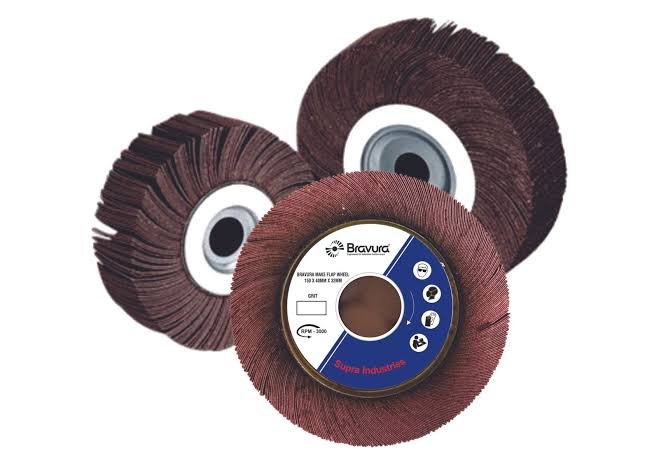
ARC Abrasives provides a broad range of industrial abrasive products designed for cutting, grinding, deburring, surface preparation, blending, and finishing operations. Its product portfolio includes belts, discs, flap discs, flap wheels, resin fiber discs, rolls, bonded wheels, and specialty abrasive products.
What Are Industrial Abrasive Products?
Industrial abrasives are engineered materials used to remove, shape, clean, or finish surfaces through controlled abrasion. They are essential in industries where materials such as steel, stainless steel, aluminum, titanium, and other alloys require precise processing.
Abrasive products work by using hard abrasive grains attached to a backing material or bonded structure. During operation, these grains remove small amounts of material to achieve a specific result.
The purpose is not always aggressive material removal. Many industrial applications require controlled finishing, surface preparation, or cosmetic improvement.
Common abrasive operations include:
- Grinding excess material
- Removing weld imperfections
- Preparing surfaces before coating
- Deburring sharp edges
- Polishing and finishing metal components
Choosing the correct abrasive depends on the material, application, required finish, production speed, and equipment being used.
ARC Abrasives Product Categories
ARC Abrasives offers multiple product categories designed for different industrial requirements.
Abrasive Belts
Abrasive belts are commonly used in continuous grinding and finishing operations. They are suitable for applications where manufacturers need consistent surface results over larger areas.
Typical uses include:
- Metal fabrication
- Surface finishing
- Weld smoothing
- Production grinding
Belts are often selected for automated equipment where repeatability and long operating life are important.
Abrasive Discs
Grinding and sanding discs are widely used in fabrication shops because they provide flexibility and easy handling.
They are commonly used for:
- Stock removal
- Surface preparation
- Blending
- Finishing work
Disc selection depends on the material being processed and the desired cutting performance.
Flap Discs
Flap discs combine abrasive material layers with a flexible design. They are popular in welding and fabrication because they can both remove material and create smoother transitions.
They are often used for:
- Weld blending
- Edge preparation
- Grinding irregular surfaces
Resin Fiber Discs
Resin fiber discs are designed for demanding grinding applications where fast cutting performance is required.
ARC’s product range includes high-performance abrasive lines such as PREDATOR™, which focuses on aggressive cutting, stock removal, and deburring applications using advanced abrasive grain technology.
Specialty Abrasive Products
Specialty products are developed for specific finishing challenges. ARC’s specialty category includes products such as cartridge rolls, cone points, cross pads, mounted wheels, and other application-specific abrasives.
These products are commonly used where standard discs or belts cannot reach complex shapes or detailed areas.
Major Industrial Applications of ARC Abrasives Products
Metal Fabrication and Heavy Equipment Manufacturing
Heavy equipment manufacturing requires abrasive solutions capable of handling large steel structures, welds, and demanding fabrication environments.
Applications include:
- Weld removal
- Edge preparation
- Grinding heavy steel components
- Surface conditioning
ARC highlights heavy equipment applications around metal fabrication, grinding, surface finishing, and improving workflow efficiency in demanding production environments.
For these applications, manufacturers typically prioritize:
- Longer abrasive life
- Faster material removal
- Reduced downtime
- Consistent finishing quality
Automotive Manufacturing and Repair
The automotive sector uses abrasives throughout manufacturing and repair processes.
Typical applications include:
- Body panel preparation
- Weld finishing
- Component grinding
- Surface smoothing before coating
Automotive manufacturers require abrasives that balance cutting speed with surface control because excessive heat or aggressive removal can damage components.
Aerospace and Precision Manufacturing
Aerospace components often require careful surface treatment because materials such as titanium and specialized alloys are sensitive to heat and surface damage.
Finishing abrasives help manufacturers achieve:
- Controlled material removal
- Smooth surface finishes
- Reduced risk of overheating
ARC’s Z-WEB™ product family is designed for finishing applications involving stainless steel, titanium, and exotic alloys while focusing on controlled finishing and reduced surface damage.
Food and Pharmaceutical Equipment Manufacturing
Food and pharmaceutical manufacturing equipment requires highly controlled finishing because surfaces must support hygiene and cleaning requirements.
Applications include:
- Stainless steel tank finishing
- Weld blending
- Equipment polishing
- Surface repair
ARC provides abrasive solutions for food and pharmaceutical equipment manufacturing, including stainless steel finishing, sanitary weld blending, and deburring applications.
Construction and General Fabrication
Construction-related fabrication involves cutting, grinding, and preparing metal components before assembly or installation.
Abrasive products help workers:
- Remove excess weld material
- Prepare joints
- Smooth fabricated parts
- Improve appearance
The right abrasive reduces manual effort while helping maintain consistent results.
How to Choose the Right Abrasive Product
Selecting an abrasive is not only about choosing the most aggressive option. The correct product depends on several factors.
Consider the Material
Different materials respond differently to abrasive action.
Examples:
- Mild steel often requires durable grinding solutions
- Stainless steel requires controlled finishing to prevent discoloration
- Aluminum requires products designed to avoid loading
Define the Application Goal
Ask what the abrasive needs to achieve:
- Fast stock removal?
- Smooth finishing?
- Weld blending?
- Surface preparation?
A grinding application and a cosmetic finishing application require different abrasive characteristics.
Match the Abrasive to Equipment
Abrasive performance also depends on the tool being used.
Factors include:
- Machine speed
- Pressure applied
- Operating environment
- Production requirements
Using an unsuitable abrasive can increase costs through shorter product life and slower processing.
Benefits of Using Application-Specific Abrasive Solutions
Industrial abrasives designed for specific applications can provide several advantages:
Improved Productivity
The correct abrasive removes material efficiently and reduces unnecessary processing time.
Better Surface Quality
Finishing-specific products help manufacturers achieve consistent appearance and surface performance.
Reduced Downtime
Longer-lasting abrasive products reduce frequent replacements during production.
Safer Processing
Proper abrasive selection helps operators maintain better control and avoid excessive heat generation.
The Future of Industrial Abrasive Technology
Modern abrasive development focuses on improving efficiency, durability, and surface control.
Manufacturers increasingly look for products that provide:
- Longer working life
- Faster cutting
- Lower heat generation
- Better environmental performance
Advanced abrasive technologies, including ceramic and engineered grain solutions, continue to influence how industries approach grinding and finishing operations.
Final Thoughts
Understanding Arcabrasives.com blog about industries applications products helps businesses recognize how abrasive technology supports modern manufacturing. ARC Abrasives products are used across industries where precision, productivity, and reliable surface results matter.
From heavy fabrication and automotive work to stainless steel finishing and specialized manufacturing, selecting the right abrasive solution can directly influence production efficiency and final product quality.
Companies evaluating abrasive products should focus on their specific material, application requirements, and desired finish rather than choosing products based only on price.
5. Frequently Asked Questions
What industries use industrial abrasives?
Industrial abrasives are used in manufacturing sectors including metal fabrication, automotive, aerospace, food equipment, construction, and general manufacturing.
What products does ARC Abrasives offer?
ARC Abrasives offers products including belts, discs, flap discs, flap wheels, resin fiber discs, rolls, bonded wheels, and specialty abrasive products. ARC Abrasives Inc.
Which abrasive product is best for metal grinding?
The best abrasive depends on the metal type, required removal rate, equipment, and finish requirements. Heavy grinding often requires durable abrasive grains, while finishing applications require more controlled solutions.
What is the difference between grinding and finishing abrasives?
Grinding abrasives are designed mainly for removing material quickly, while finishing abrasives focus on improving surface appearance, smoothness, and consistency.
Why is abrasive selection important in manufacturing?
Correct abrasive selection improves productivity, surface quality, tool life, and overall production efficiency.
Are abrasives used for stainless steel finishing?
Yes. Stainless steel finishing commonly uses specialized abrasive products designed to achieve controlled finishes while minimizing surface damage.