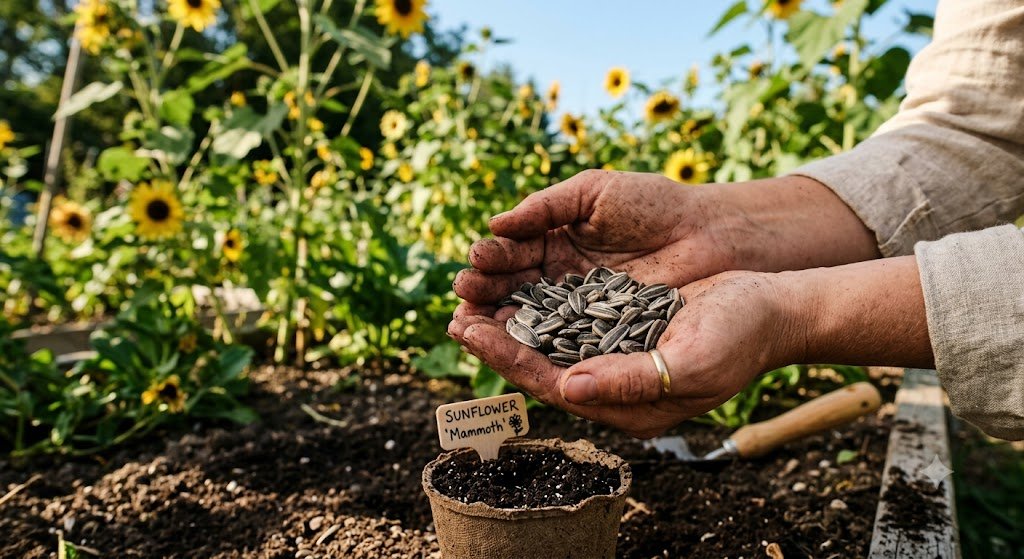
Nothing transforms a bare garden patch quite like the towering, golden brilliance of a sunflower. However, achieving those massive, vibrant heads starts long before the first sprout breaks the soil. Sourcing the right sunflower seeds for planting is the critical first step toward a stunning seasonal display. Get this part right, and the rest of the growing process becomes incredibly straightforward.
Whether you want massive ten-foot giants shielding your yard or petite, pollen-free varieties for kitchen bouquets, success hinges on your foundational horticultural knowledge. Buying random seeds and tossing them into the dirt rarely yields the magazine-cover results you want. Let’s break down the exact steps, soil requirements, and garden secrets you need to master this summer.
Why Quality Sunflower Seeds for Planting Matter
Genetics dictate everything in the botanical world. When you buy premium sunflower seeds for planting, you are securing a specific growth habit, bloom size, and disease resistance. Bargain-bin seeds often suffer from poor germination rates or produce weak, spindly stalks that snap in the first summer storm.
High-quality seeds ensure uniform growth, which is especially important if you are creating a living fence or an organized landscape border. You also gain access to incredible genetic diversity, far beyond the standard yellow petals you see at the local hardware store. Investing a few extra dollars upfront guarantees a vibrant, resilient garden later.
Choosing the Best Sunflower Seeds for Planting
Sunflowers fall into several distinct categories based on height, color, and pollen production. Before you purchase any sunflower seeds for planting, you must honestly evaluate your available space and sunlight. A sprawling rural garden can handle towering heirloom varieties, while a modest urban balcony requires something much more compact.
Towering Giants and Heirloom Varieties
If your goal is to grow a colossal, show-stopping stalk, you need genetics designed for extreme height. Varieties like the Mammoth Grey Stripe and Titan routinely push past twelve feet under ideal conditions. These massive cultivars produce heavy, seed-filled heads that are excellent for roasting or feeding local bird populations.
Because they grow so tall, you must plant them in areas sheltered from high winds. A strong gust can easily snap a top-heavy stalk right in half if it lacks structural support. Many gardeners plant these giants along sturdy fences or brick walls to provide a natural windbreak.
Dwarf and Container-Friendly Sunflowers
Not everyone has the square footage for a massive agricultural crop. Thankfully, modern breeders have developed spectacular dwarf varieties like Teddy Bear and Elf. These compact plants rarely exceed two feet in height, making them perfect for raised beds, patio pots, and small borders.
The Teddy Bear variety is particularly famous for its fluffy, double-petaled blooms that look almost like golden pom-poms. They require far less maintenance than their giant cousins and are highly resistant to wind damage.
Colorful and Pollenless Options
Traditional yellow is undeniably beautiful, but the modern sunflower spectrum includes rich reds, deep burgundies, and creamy whites. Varieties like Moulin Rouge offer deep, velvety red petals that add dramatic, moody flair to any landscape. If you love cutting fresh flowers for your kitchen table, pollen-free varieties like Sunrich Orange are a complete game-changer.
Pollenless cultivars will not drop sticky yellow dust all over your furniture, carpets, and tablecloths. Crucially, they still produce vital nectar, meaning they continue to attract beneficial pollinators like butterflies and bees to your yard.
Preparing the Soil for Sunflower Seeds for Planting
You can have the absolute best sunflower seeds for planting, but they will fail miserably in poor, compacted dirt. Sunflowers are exceptionally heavy feeders with aggressive taproots that need room to plunge deep into the earth. If they hit a layer of hard clay a few inches down, their growth will instantly stunt.
Ideal Soil Composition
Your garden bed needs a loose, highly well-draining soil structure. A perfect mix consists of sandy loam mixed heavily with generous amounts of organic compost. This combination retains just enough moisture to keep the taproots hydrated while allowing excess water to drain away freely.
Standing water is an absolute death sentence for sunflowers, leading directly to root rot and fatal fungal diseases. If your yard naturally suffers from heavy, wet clay, consider building raised garden beds to artificially control the drainage and soil texture.
Balancing the Soil pH
Sunflowers are surprisingly adaptable, but they thrive best in slightly acidic to neutral soil. Aim for a soil pH between 6.0 and 7.5 for maximum nutrient absorption. You can easily test this using a cheap pH meter available at any local garden center.
If your soil is too acidic, amending it with garden lime will raise the pH up into the optimal sweet spot. Conversely, adding elemental sulfur will bring a highly alkaline soil down to a manageable, healthy level.
When to Sow Your Sunflower Seeds for Planting
Timing is everything when introducing your sunflower seeds for planting to the garden ecosystem. These warm-weather plants absolutely despise cold weather, and a late spring frost will wipe out freshly germinated seedlings overnight. Patience is a virtue here; wait until the danger of frost has completely passed in your region.
The soil temperature should reliably be at least 50°F (10°C) before you even think about digging a hole. In northern climates, this sweet spot usually falls between mid-May and early June. Southern gardeners can often get their seeds in the ground by late March or early April.
The Direct Sowing Method
While some impatient gardeners start seeds indoors to get a head start, sunflowers heavily resent having their roots disturbed. Transplant shock is a massive issue for these plants because of their long, highly sensitive taproots. For the strongest stems and largest blooms, direct sowing is always the preferred method.
Follow these exact steps for flawless germination:
Depth: Press the seeds roughly 1 to 1.5 inches deep into the warmed soil.
Initial Spacing: Leave about 6 inches of space between each seed as a buffer.
Strategic Thinning: Once the seedlings reach a few inches tall, aggressively thin out the weaker plants, leaving 2 to 3 feet of space between the massive varieties.
The Secret to Success: Companion Planting
Growing your sunflower seeds for planting in total isolation works, but pairing them with the right companions elevates your entire garden. Sunflowers act as incredible natural trellises for vining plants. Planting pole beans near tall stalks allows the vines to climb naturally, maximizing your vertical space.
Furthermore, the massive sunflower leaves provide much-needed afternoon shade for heat-sensitive crops like lettuce and spinach. However, you must be incredibly cautious about what you plant directly nearby.
Sunflowers exhibit allelopathic properties, meaning they release specific chemical compounds into the soil that inhibit the growth of certain neighbors. Never plant potatoes or bush beans directly beneath a sunflower canopy, as their growth will be severely compromised.
Caring for Your Sunflower Seeds for Planting After Germination
Once your sunflower seeds for planting break the surface, they enter a rapid, aggressive vegetative growth phase. Keeping them adequately hydrated and fed during this period dictates the final diameter of the bloom. However, there is a delicate balance to strike, as pampering them too much can actually cause immense harm.
Watering Techniques
Young seedlings need consistently moist soil to establish their delicate root systems. Water them gently near the base, roughly 3 to 4 inches away from the fragile stem. Once the plants are fully established, you need to change your watering strategy completely.
Mature sunflowers prefer deep, infrequent watering sessions. Drenching the soil thoroughly once a week encourages the taproot to dive deeper in search of moisture, anchoring the plant firmly to the earth. Frequent, shallow watering creates lazy, surface-level roots that will uproot easily in heavy winds.
Feeding and Fertilization
Because they grow so incredibly fast, sunflowers deplete available soil nutrients rapidly. However, you must actively avoid the temptation to dump high-nitrogen fertilizer onto the bed. Too much nitrogen triggers massive leaf growth at the direct expense of the flower, and it makes the main stalks brittle.
Instead, work a slow-release, balanced granular fertilizer into the soil at planting time. A light top-dressing of organic compost mid-season is usually more than enough nutritional support to push the plant through its final blooming phase.
Pest Management and Protection
You are not the only one eagerly awaiting the results of your sunflower seeds for planting. Local wildlife views a sprouting sunflower patch as an all-you-can-eat botanical buffet. Birds, squirrels, and invasive insects will actively try to destroy your hard work before the flowers even open.
Protect your garden using these visual anchors:
Birds and Squirrels: Right after sowing, birds will scratch the dirt to eat the raw seeds. Lay a protective layer of garden netting over the soil until the seeds germinate safely.
Insects: Watch closely for Japanese beetles and leaf-damaging caterpillars, which can turn lush green leaves into tattered lace. Use insecticidal soap or hand-pick them daily.
Fungal Disease: Fungal issues like powdery mildew and rust heavily plague crowded gardens. Always space your plants properly to allow for adequate wind airflow between the stalks.
Harvesting Your Spectacular Blooms
After months of careful cultivation, the ultimate payoff finally arrives. If you grew your sunflower seeds for planting specifically for indoor bouquets, cut the stems early in the morning before the heat of the day sets in. Cut them exactly as the petals begin to unfurl for the longest possible vase life.
If you are harvesting for edible, roasted seeds, you need to wait much longer. Leave the flower head on the stalk until the back turns from a vibrant green to a deep, dry yellow-brown. The petals will heavily shrivel and fall off, exposing the plump, mature seeds inside.
Cut the massive head off with about a foot of stem attached, and hang it upside down in a dry, well-ventilated garage. Once completely dry, simply rub your thumb vigorously across the face of the flower to dislodge the seeds. You can roast them for a healthy, salty snack or store them safely to plant again next spring!
Final Thoughts on Your Growing Journey
Cultivating a massive, sun-drenched garden doesn’t require a master’s degree in botany. By thoughtfully selecting premium sunflower seeds for planting, prioritizing exceptional soil health, and respecting the delicate taproot, anyone can achieve spectacular botanical results. Focus purely on deep watering and adequate spacing, and let nature handle the heavy lifting.
Stop settling for mediocre, wilting garden beds this season. Secure a few high-quality, vibrant cultivars, get your hands deep into the dirt, and proudly watch as your yard transforms into the neighborhood’s undisputed focal point.
Frequently Asked Questions (FAQs)
1. How long does it take for sunflower seeds for planting to sprout?
Under ideal garden conditions, high-quality sunflower seeds for planting will germinate incredibly quickly. If the soil is adequately warmed (above 50°F) and kept lightly moist, you should see vibrant green sprouts break the surface in 7 to 10 days. Cooler, damper soil temperatures will significantly delay this biological process, which is why waiting until after the last frost is crucial.
2. Can I plant sunflower seeds straight from the grocery store?
Technically, yes, you can plant raw, unroasted birdseed or grocery store seeds, but experts highly discourage it. These seeds are typically mass-produced for consumption, meaning they yield generic, unpredictable, and often spindly plants. Furthermore, commercial seeds are frequently treated with specific anti-sprouting chemicals to artificially extend their warehouse shelf life.
3. Do sunflowers grow back on their own every year?
Most of the highly popular varieties grown in home gardens belong to the Helianthus annuus family, which are strict annuals. This means they complete their entire lifecycle in a single growing season and die permanently when the winter frost hits. However, they frequently drop heavy seed loads that naturally germinate the following spring, creating the illusion that they are perennials.
4. What is the absolute best month to sow sunflower seeds for planting?
The exact month to sow your sunflower seeds for planting depends entirely on your specific USDA hardiness zone. In the northern United States and Canada, direct planting typically happens between early May and mid-June once the soil is thoroughly warm. Gardeners living in the southern states can often safely plant in late March or early April without fear of frost.
5. Do sunflowers really need full sun all day to survive?
Yes, sunflowers absolutely require full, unfiltered sun to thrive and reach their maximum genetic potential. They inherently need a minimum of 6 to 8 hours of direct sunlight every single day to produce strong stalks and massive blooms. If planted in partial shade, they will stretch desperately toward the available light, resulting in weak, crooked stems that snap instantly in the wind.